Enhance Boating Experience with a Reliable and Versatile Floating Dock
Enhancing your boating experience involves a combination of safety, convenience, and comfort. One of the best ways to elevate your boating lifestyle is by incorporating a reliable and versatile floating dock. Floating docks are a practical solution for boaters who want an easy way to access their vessels while ensuring their boats remain secure. These docks offer a wide range of benefits that improve not only the ease of docking and launching but also the overall functionality of your waterfront property. A floating dock is designed to rise and fall with water levels, making it ideal for bodies of water with fluctuating tides or seasonal changes in water height. This adaptability ensures that your dock remains stable regardless of changing water conditions, which can be a common issue with traditional fixed docks. For boaters who live in areas where water levels rise and fall throughout the year, a floating dock eliminates the need for constant adjustments or concerns about the dock becoming exposed or submerged.
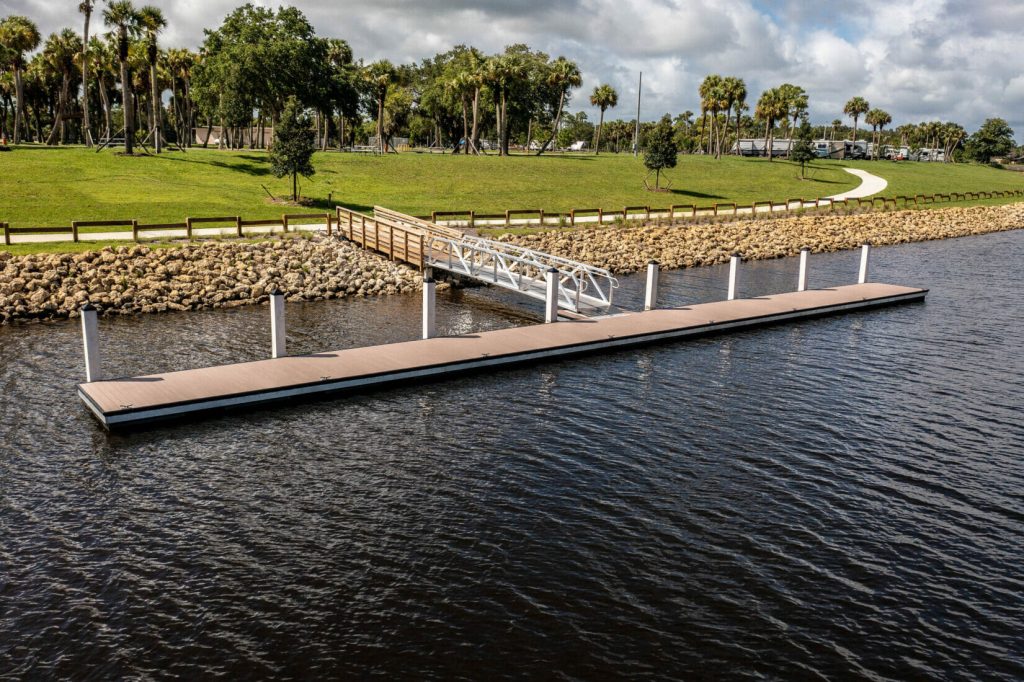
This flexibility means you can rely on it to keep your boat safely docked at all times. Versatility is another key feature of floating docks. These docks come in a variety of configurations, allowing for customization based on your specific needs. Whether you are looking for a small personal dock for a single boat or a larger setup to accommodate multiple vessels, floating docks offer modular designs that can be adjusted and expanded as your boating requirements evolve. Additionally, many floating dock manufacturers are built with materials that ensure long-term durability and minimal maintenance, such as high-density polyethylene HDPE, which resists UV rays, saltwater corrosion, and impacts. This makes floating docks not only versatile but also a long-lasting investment. In addition to functionality, a floating dock can also improve the overall aesthetics and appeal of your waterfront property. Many modern floating docks are designed to blend seamlessly with the natural surroundings, offering an elegant and minimalistic appearance that complements the environment.
Whether your property is located on a lake, river, or along the coast, a well-designed floating dock can enhance the visual appeal of your waterfront while providing a clean, organized space for docking boats, kayaks, jet skis, or even small watercraft. The ease of use that a floating dock provides cannot be overstated. The stability it offers ensures a safe and secure area for boarding or disembarking from your boat. Many models are equipped with non-slip surfaces, handrails, and even lighting for added convenience and safety, especially when navigating your floating dock at night or in low-light conditions. Floating docks are also great for families and people with mobility issues, as they make boarding and unbearding boats easier and more accessible. For boaters who enjoy spending time on the water but want a hassle-free way of docking their boats, a floating dock offers a solution that makes boating simpler and more enjoyable.